
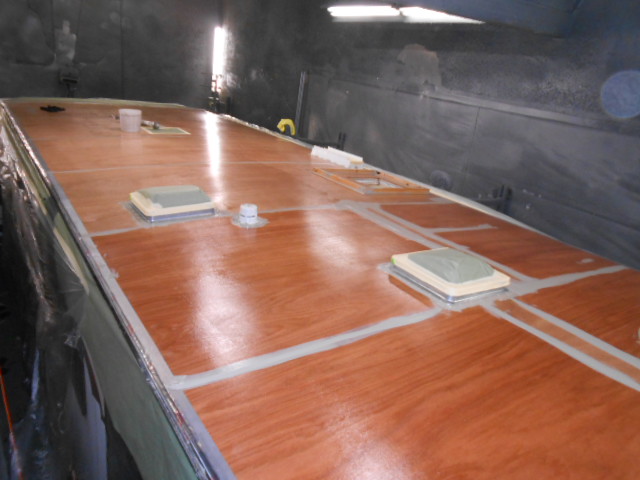
Your RV’s roof takes more abuse than any other part of the vehicle. Sun, rain, hail, low-hanging branches, and years of highway vibration all work against it. When damage shows up, you need a shop that knows how to work with every roof material out there — not just one or two. San Diego RV Center provides full-service RV roof repair across San Diego, handling rubber, fiberglass, metal, and composite roofs with equal confidence. Whether you’re dealing with a slow leak, storm damage, or a roof that’s simply reached the end of its lifespan, our team diagnoses the problem and gets it fixed right. We work on motorhomes, fifth wheels, travel trailers, and toy haulers of all sizes. If it has a roof and it rolls, we can repair it.
The difference between a roof repair done well and one done poorly is years of protection — or years of water damage. Here’s what goes into getting it right.
Why Roof Damage Shouldn’t Wait
A small crack or lifted seam on your RV roof might not seem urgent. But water doesn’t need much of an opening. Once moisture gets beneath the roof membrane, it moves into the wooden substrate, insulation, and interior walls. What starts as a minor fix can turn into a full delamination problem in a single rainy season.
Catching roof issues early keeps repair costs low and prevents structural compromise. If you’ve noticed water stains on your ceiling, soft spots when walking on the roof, or visible cracking along seams, it’s time to schedule an inspection.
Rubber RV Roof Repair
EPDM Membrane Repair
EPDM is one of the most common RV roof materials. It’s durable and relatively easy to maintain, but it’s not immune to punctures, shrinkage, or UV degradation over time. Repairs typically involve cleaning the damaged area, applying a primer, and bonding a patch with adhesive rated specifically for EPDM.
TPO Membrane Repair
TPO roofs are heat-welded rather than glued, which changes the repair process entirely. Patching a TPO roof requires a heat gun and compatible membrane material to create a fused bond. Using the wrong adhesive or technique on TPO leads to patches that peel within months.
Fiberglass RV Roof Repair
Fiberglass roofs are rigid and hold up well against impacts, but they develop cracks and stress fractures — especially around edges and where the roof meets sidewalls. Repairing fiberglass involves grinding out the damaged area, applying layers of resin and fiberglass mat, and finishing with a gel coat to seal and protect the surface.
Poorly done fiberglass work shows quickly. Uneven surfaces, visible patch lines, and early cracking are all signs of a rushed job. A proper fiberglass repair should be smooth, sealed, and nearly invisible.
Metal RV Roof Repair
Aluminum and steel RV roofs are common on older motorhomes and some commercial units. These roofs deal with corrosion, dents, and loose fasteners over time. Repairs range from sealing around rivets and seams to replacing entire panels when corrosion has gone too far.
Metal roofs also expand and contract with temperature changes, which stresses sealant joints. Resealing with the right product on a proper schedule prevents most leaks before they start.
RV Roof Resealing
Every RV roof — regardless of material — relies on sealant around vents, antennas, air conditioners, and edges. That sealant breaks down. Resealing is one of the most effective maintenance steps an RV owner can take, and it’s one of the most overlooked.
A full reseal involves removing old, cracked sealant, cleaning the surfaces, and applying new self-leveling or non-sag sealant depending on the location. Done correctly, a reseal adds years of leak-free performance.
What a Full Roof Inspection Covers
Not every roof problem is visible from the ground. A proper inspection includes:
- Walking the roof to check for soft spots, indicating substrate damage beneath the membrane
- Testing all sealant joints around roof penetrations for flexibility and adhesion
- Checking for ponding areas where water collects instead of draining
- Inspecting the roof edge and drip rails for separation or corrosion
- Documenting the overall membrane condition, including UV wear and surface chalking
This process tells you exactly where your roof stands and what it needs — before a leak makes the decision for you.
Choosing the Right Shop for RV Roof Work
Not every RV shop treats roof work the same way. Here’s what separates a reliable repair from a temporary patch:
- Material-specific knowledge — the technician should know whether your roof is EPDM, TPO, fiberglass, or metal before picking up a tool
- Proper surface preparation, including cleaning and priming before any adhesive or sealant is applied
- Use of manufacturer-recommended products rather than generic hardware store alternatives
- Lifetime Warranty backed work that gives you confidence the repair will hold
San Diego RV Center checks every one of those boxes. Our technicians work with all roof types daily, and we carry the materials and tools each one requires. If your RV needs roof attention, schedule a visit and let us show you what a proper repair looks like.
Protect Your Investment From the Top Down
Your RV’s roof is the first line of defense against everything the environment throws at it. Keeping it in good shape isn’t optional — it’s what keeps the rest of the vehicle dry, safe, and holding its value. Whether you need a targeted patch, a full reseal, or a complete roof replacement, the work matters most when it’s done by a team that understands the material they’re working with and doesn’t cut corners to save time.