
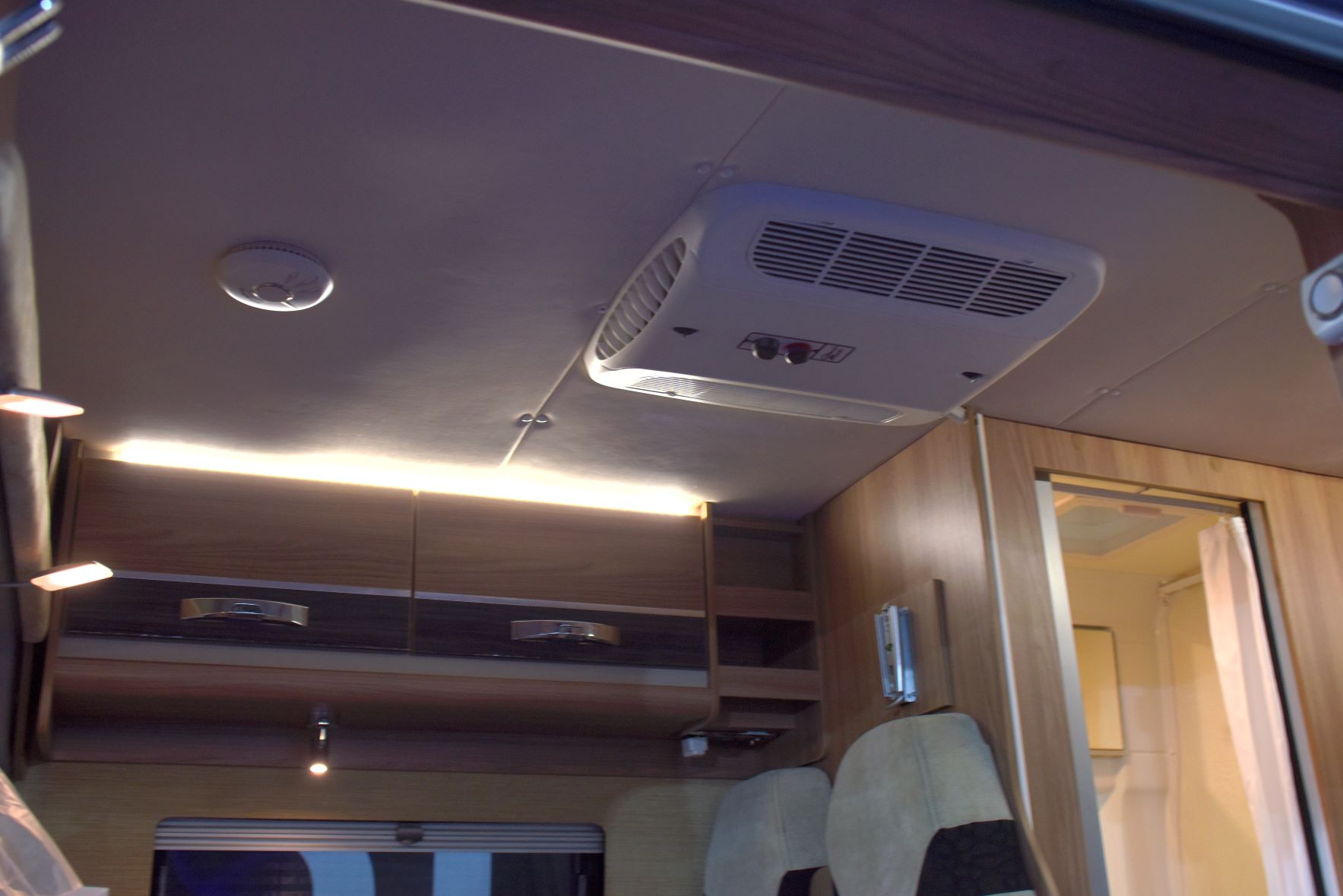
RV lighting issues are more than an inconvenience. Faulty lights can create dangerous driving conditions, drain your battery system, and signal deeper electrical problems hiding behind your walls. When a light flickers, dims, or goes out entirely, the temptation is to grab a YouTube tutorial and start pulling wires. But RV electrical systems are complex, and a wrong move can cause fire hazards, void your warranty, or create thousands of dollars in damage. San Diego RV Center has repaired lighting and electrical systems on RVs of every size and age across San Diego County. Their technicians see firsthand what happens when DIY fixes go wrong — melted wiring, blown converters, and damaged fixtures that cost far more to undo than the original problem would have cost to fix properly. If your RV has lighting trouble, professional repair is the smartest move you can make.
RV Lighting Systems Are More Complex Than They Look
Most people think of RV lights the same way they think of household lights: flip a switch, swap a bulb. But RV lighting runs on a dual electrical system that operates on both 12-volt DC and 120-volt AC power, depending on whether you’re plugged into shore power or running off your battery bank.
How DC and AC Systems Interact
Your interior lights, running lights, and many exterior fixtures operate on 12-volt DC power drawn from your house batteries. Larger appliances and some upgraded lighting setups pull from the 120-volt AC system when you’re connected to shore power or running a generator. A converter bridges these two systems, and lighting problems often trace back to converter malfunctions rather than the lights themselves. Without understanding this relationship, you can chase the wrong problem for hours.
The Role of the Converter and Inverter
Converters step down AC power to charge your batteries and run DC fixtures. Inverters do the opposite. When either one starts failing, lights may dim, flicker, or behave unpredictably. A professional knows to test these components first instead of replacing bulbs and fixtures that are working fine.
Common RV Lighting Problems That Need Professional Diagnosis
Some lighting issues have simple causes. Others point to system-wide failures that need trained eyes and proper diagnostic tools.
- Flickering interior lights often indicate loose ground connections, corroded wiring, or a converter that’s starting to fail
- Exterior lights that work intermittently may have water intrusion in the wiring harness or junction box
- LED upgrades that cause buzzing or strobing usually mean incompatible drivers or insufficient voltage regulation
- Lights that dim when multiple appliances run suggest your electrical system is overloaded or your battery bank is undersized
- Dashboard warning lights paired with lighting failures can signal a short circuit that poses a fire risk
Each of these scenarios requires someone who can trace circuits, test voltage at multiple points, and identify root causes rather than just treating symptoms.
Why DIY RV Electrical Work Is Risky
There’s nothing wrong with handling basic RV maintenance yourself. But electrical work sits in a different category. RV wiring runs through walls, ceilings, and floors where it’s bundled with plumbing, propane lines, and insulation. One wrong cut or connection in that environment can have serious consequences.
Fire and Safety Hazards
Improper wire gauge, bad splices, and loose connections generate heat. Inside an RV wall cavity filled with insulation and close to propane lines, that heat becomes a fire risk. The National Fire Protection Association has documented RV fires caused by amateur electrical modifications, and lighting circuits are among the most commonly mishandled.
Warranty and Insurance Concerns
Many RV warranties explicitly exclude damage caused by unauthorized electrical work. Insurance claims can also be denied if an adjuster determines that non-professional wiring contributed to a loss. What starts as a $200 repair can become a $20,000 problem with no coverage.
The Right Tools and Training Make the Difference
Professional RV technicians carry multimeters, circuit tracers, thermal cameras, and load testers. They don’t guess — they measure. They can identify voltage drops across long wire runs, detect hot spots behind panels without tearing walls apart, and pinpoint parasitic draws that kill batteries overnight.
Certification programs through RVIA and RVIA-affiliated training centers teach technicians the specific standards that govern RV electrical systems. These standards differ from residential codes in important ways, and a household electrician may not know them.
LED Conversions Require More Than Swapping Bulbs
Upgrading from incandescent to LED lighting is one of the most popular RV modifications. LEDs use less power, produce less heat, and last longer. But dropping LED bulbs into fixtures designed for incandescent bulbs doesn’t always work cleanly.
- Some LED bulbs cause radio frequency interference that disrupts your TV antenna or radio reception
- Certain fixtures need resistors added to prevent rapid flickering or ghost lighting when switches are off
- Mixing LED and incandescent bulbs on the same circuit can create uneven voltage distribution
- Cheap LED bulbs from unknown manufacturers may not meet the voltage tolerances your system requires
A professional handles these details during the conversion so you get the full benefit of LEDs without creating new problems.
Exterior Lighting Failures Are a Legal and Safety Issue
Your RV’s exterior lights aren’t optional accessories. Running lights, brake lights, turn signals, and clearance markers are legally required for road travel. A burned-out clearance light on a 35-foot motorhome makes you harder to see at night, and law enforcement can cite you for it.
Beyond legality, exterior lighting failures on a large vehicle create real danger for you and everyone sharing the road. Water intrusion, road vibration, and UV exposure all degrade exterior wiring and connections over time. Professional technicians inspect the full exterior lighting circuit during repairs rather than just replacing the one bulb that went out, catching problems before they leave you driving with compromised visibility.
When to Schedule a Professional Lighting Inspection
You don’t need to wait for a failure to have your lighting system checked. Proactive inspections catch problems early when they’re cheaper and easier to fix.
Schedule an inspection if your RV has been in storage for more than three months, if you’ve recently purchased a used RV, if you’re planning a long trip, or if you’ve noticed any flickering, dimming, or unusual behavior from any light in the system. Rodents chew wiring during storage. Previous owners leave behind questionable modifications. Long trips put sustained demand on systems that may have marginal connections.
A full lighting and electrical inspection takes a few hours and gives you a clear picture of your system’s condition before you’re 500 miles from home with a problem.
Trust San Diego RV Center With Your RV Lighting Repairs
San Diego RV Center brings decades of hands-on experience with RV electrical and lighting systems. Their technicians diagnose problems accurately, repair them with the right parts and methods, and test the full circuit before returning your RV. Whether you’re dealing with a single flickering light or a full electrical system that needs attention, they have the tools, training, and parts inventory to get it done right. Contact them today to schedule your lighting repair or inspection and keep your RV safe, legal, and road-ready.